Stock Up Smart: Your Friendly Guide to Buying Bulk Ammunition
Running low on rounds halfway through a training session is a frustrating and costly interruption, but buying bulk ammunition eliminates that anxiety by securing a massive supply at a fraction of the per-round price. Each cartridge functions identically to its boxed counterpart, feeding, firing, and cycling through your firearm with the same reliable precision, yet the sheer volume lets you practice relentlessly without rationing. With bulk ammunition, you stack deep, shoot hard, and never let a shortage dictate your range time.
What Makes Buying Ammo in Volume a Smart Move
Buying bulk ammunition transforms your shooting from a chore into a seamless, cost-effective practice. The most immediate benefit is the significant per-round savings, which directly stretches your training budget further. Volume purchasing locks in a lower price per cartridge, meaning you spend less for every trigger pull, allowing for more frequent range sessions or more extensive zeroing drills. Beyond the financial aspect, bulk ammo ensures you never face a dry spell at the range; you maintain a consistent, ready supply for practice or competitive use. Furthermore, a large stash lets you stay with a single lot number, ensuring uniform ballistics and point-of-aim shift that you can trust.
This consistency is the hidden gem, as it eliminates the frustrating re-zeroing required with mixed batches.
Ultimately, buying in volume is about guaranteeing both your wallet and your performance are always optimized.
How Per-Round Costs Drop When You Scale Up Your Order
The price per cartridge follows a predictable curve: as order size climbs, fixed costs like packaging, freight, and per-unit handling get distributed across more boxes. A case of 500 rounds often costs 10–20% less per round than four 50-round boxes, because the manufacturer avoids breaking down bulk packaging. Scaling up your order unlocks tiered wholesale pricing that isn’t visible on single-retail listings. This drop isn’t linear—it typically occurs at specific thresholds:
- At 100–200 rounds, you erase small-box retail markup.
- At 500–1,000 rounds, freight and hazmat fees become negligible per unit.
- At 2,000+ rounds, you approach the manufacturer’s true production cost floor.
The real savings appear only when you cross .17 HMR Ammo for Sale the next bracket, not from merely doubling a small quantity. Always compare final per-round cost including shipping, not list price alone.
Why Stockpiling Now Prevents Future Price Shock
Locking in current per-round costs through bulk ammunition purchases directly insulates your budget from inevitable price hikes. Manufacturers adjust pricing based on raw material expenses and production demands, meaning next month’s quote rarely matches today’s. By securing a strategic ammo reserve now, you effectively pay yesterday’s prices for future shooting sessions. This approach eliminates the shock of suddenly doubled shelf tags when you need to restock immediately. Practical benefits include fixed training costs, predictable reloading supply 7.62×51 Ammo for Sale budgets, and the ability to spread purchases over time without urgency.
- Hedge against raw material cost spikes that raise primer and brass prices
- Average down cost per case when buying full cases versus single boxes
- Maintain a consistent inventory buffer that prevents panic buying at elevated rates
The Convenience of One-Time Shipping for 500 or 1,000 Rounds
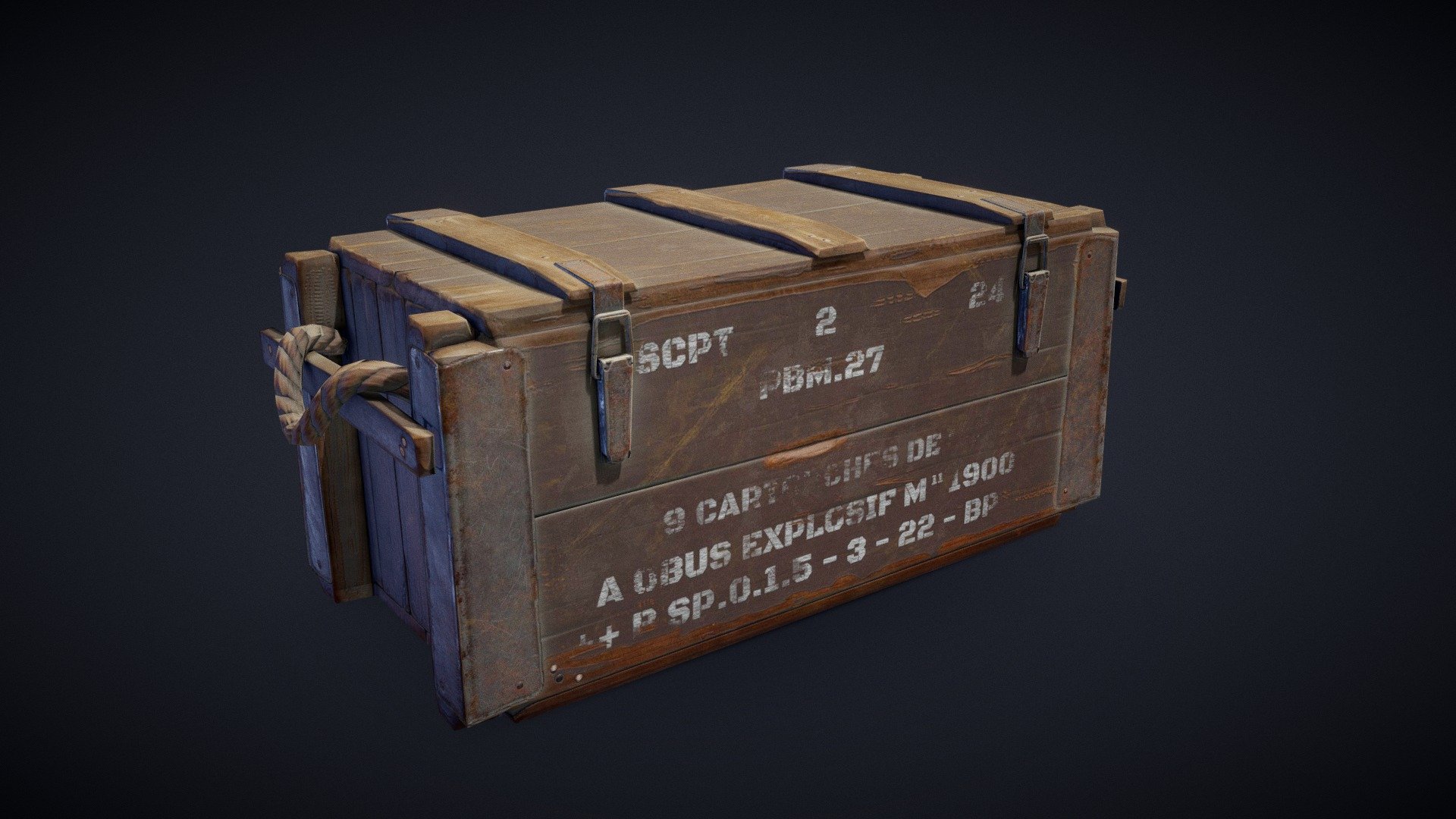
Ordering 500 or 1,000 rounds in a single shipment eliminates the hassle of repeated carrier visits and signature requirements. You handle one delivery, one unboxing, and one secure storage session instead of weekly interruptions. This is particularly valuable for shooters who plan range days ahead, as bulk ammo delivery consolidation means your entire training supply arrives ready before you need it. Fewer shipments also 7mm PRC Ammo for Sale reduce the risk of a package being left exposed or stolen between deliveries. For those with busy schedules, a single drop-off simplifies logistics dramatically, letting you verify the full order at once and move on.
- Saves time by avoiding multiple delivery windows and tracking updates.
- Reduces packaging waste and handling errors from repeated shipments.
- Ensures ammo for several sessions is on hand immediately after one delivery.
Key Differences Between Bulk Packs and Standard Boxes
Bulk packs prioritize raw round count and cost-per-round over protection, typically using loose specialty sports & supply cardboard trays or thin plastic bags, whereas standard boxes offer rigid, partitioned slots that prevent bullet nose deformation and primer jostling during transit. Bulk ammo is ideal for high-volume range sessions where you’ll transfer rounds into magazines or loading strips immediately, since reusing the flimsy container is impractical. Standard boxes are sturdier for stacking on shelves, revisiting multiple range trips, and keeping headstamps or lot numbers segregated. In bulk packs, rounds often rub against each other, which can shave copper jacket shavings that affect feed reliability; standard boxes eliminate that friction. Always weigh whether loose storage in a range bag risks debris contamination against the savings. Q: Can I repurpose a bulk pack for long-term storage? A: No—transfer loose rounds into USGI-style ammo cans with desiccant instead.
Understanding Packaging Formats: Loose Rounds, Trays, and Value Packs
Understanding packaging formats clarifies how bulk ammunition reaches your bench. Loose rounds arrive unwrapped in a box or bag, maximizing round count per cubic inch but risking brass-on-brass contact and slower loading. **Trays** hold cartridges in molded or foam inserts, providing secure, rattle-free organization ideal for quick magazine indexing or range bags. **Value packs** 7.62×39 Ammo for Sale typically use cardboard trays or cardboard boxes with dividers, offering a middle ground—better protection than loose, yet more economical than premium ammo cans. For long-term storage, trays prevent bullet setback and primer damage from vibration. Loose rounds suit high-volume plinking where sorting is unnecessary; trays favor precision work or competition. Selecting between these formats depends on your reloading speed, transport distance, and tolerance for minor cosmetic wear.
Loose rounds maximize quantity; trays .17 WSM Ammo for Sale prioritize protection and speed; value packs balance cost with basic organization—choose based on handling needs, not just price per round.
Is the Ammunition Itself Any Different From Retail Boxes?
In virtually all cases, the ammunition itself is identical to what you would buy in a retail box. The cartridges occupying a bulk pack are typically the same factory-new rounds, loaded to the same specifications, with the same primers, propellant, and projectiles as their standard-boxed counterparts. The primary distinction lies solely in packaging, where bulk packs prioritize quantity over presentation, often using loose trays or bags instead of individual cardboard or plastic boxes. However, you may occasionally encounter “range” or “training” bulk loads with slightly altered bullet profiles (e.g., flat-nose) for cheaper manufacturing, so check the headstamp or box labelling.
- No difference in performance or reliability for standard rounds
- Bulk packs may omit cardboard dividers or individual trays
- Occasional use of alternative bullet shapes in bulk-only contracts
- Always verify lot numbers for consistent batch quality
Checking Headstamps and Lot Numbers for Consistency in a Case
When buying bulk ammunition, checking headstamps and lot numbers for consistency in a case is your first defense against mixed production runs. A uniform headstamp—same manufacturer, caliber, and year stamp—confirms every round shares identical case dimensions and primer pockets, which prevents feeding or extraction issues. Lot numbers matter even more: a single lot means the same powder charge, bullet weight, and crimp were applied under identical machine settings, so point of impact stays predictable. If you spot mixed headstamps or several lot numbers, you risk velocity variations that open up groups at distance. Always open the case and eyeball the primer rows; consistent markings signal a cohesive batch worth storing together.
How to Match a Bulk Quantity to Your Specific Firearm and Needs
To match a bulk quantity to your specific firearm, first verify the exact cartridge designation stamped on the barrel, then check your owner’s manual for recommended bullet weights and overall length. Test a small box of candidate loads for function and accuracy before committing to a case. Calculate your real monthly training volume, not your wish list, and buy only enough to cover 3–6 months of practice plus a modest reserve. Consider your rifle’s twist rate—faster twists prefer heavier projectiles—and your pistol’s recoil spring, which may need tuning for lighter or heavier loads. For defensive firearms, replicate your carry load’s point of impact with cheaper practice ammo in the same weight and velocity range. Finally, store that bulk ammunition in a climate-controlled space, rotating stock so your specific needs always match fresh, reliable rounds.
Selecting the Right Caliber and Bullet Weight for Practice vs. Defense
Choosing between practice and defensive loads starts with accepting that one bullet weight rarely excels at both. For range sessions, prioritize the Ammo Cans & Storage for Sale cheapest, lightest option—often 115-grain 9mm or 55-grain .223—that cycles reliably, saving your budget for volume. However, your carry ammunition demands a heavier bullet weight for terminal performance, like 147-grain 9mm or 62-grain .223, which penetrates barriers and expands consistently. Buy bulk practice ammo in your firearm’s standard caliber, but never substitute it for defense rounds; verify point-of-impact shifts at 25 yards, as lighter practice loads often shoot lower. Invest bulk quantities only after confirming both types feed flawlessly through your specific barrel and magazine, ensuring zero malfunctions when it matters most.
Full Metal Jacket vs. Hollow Points: What to Buy in Bulk
For bulk purchases, FMJ vs. hollow point selection hinges on intended use, not price alone. Stock FMJ in volume for high-volume range drills and competition practice, where penetration through paper or steel targets is acceptable and cost per round stays lowest. Reserve hollow points for defensive magazines and carry loads, buying smaller bulk boxes (50–100 rounds) to verify feeding reliability and zero shift, since expanding rounds can foul barrels faster with carbon buildup. Avoid purchasing thousands of hollow points unless you train exclusively with them; otherwise, your bulk investment sits idle while FMJ cycles through your firearm.
| Factor | FMJ Bulk | Hollow Point Bulk |
|---|---|---|
| Primary role | Practice, drills, competitions | Self-defense, duty carry |
| Ideal bulk size | 1,000+ rounds | 100–200 rounds max |
| Cost priority | Lowest possible per round | Functionality over price |
| Reliability check | Less critical | Essential—test each lot |
Matching the Load to Your Gun’s Barrel Twist Rate and Action Type
Before committing to a bulk purchase, you must match the load to your barrel’s twist rate and action type, or accuracy suffers dramatically. A fast 1:7 twist stabilizes heavy, long projectiles, while a slower 1:12 twist prefers lighter bullets—buying 500 rounds of the wrong grain weight guarantees keyholing 7.62x54R Ammo for Sale and frustration. Likewise, gas-operated semi-autos demand consistent pressure curves to cycle reliably, whereas bolt-action rifles tolerate hotter or more varied loads. Correctly pairing bullet weight and pressure with your twist and action transforms a pallet of ammo into a precision tool. Ignoring this dynamic wastes your investment and erodes confidence at the range.
Proper Storage and Handling for Long-Term Bulk Keeps
For bulk ammunition, proper storage and handling for long-term keeps hinges on absolute environmental control. You must seal your rounds in airtight, military-grade ammo cans with desiccant packs, because humidity is the primary enemy that corrodes primers and degrades powder. Rotate your stock annually, using the oldest first, and never store loose rounds where they can rub against each other and damage the projectile seal. Handle by the cartridge case, not the bullet tip, to prevent setback, and keep everything off concrete floors to avoid temperature swings and moisture wicking.
A temperature-stable, low-humidity environment—ideally below 70°F with under 40% relative humidity—will preserve factory-new performance for decades, but only if you inspect yearly for green corrosion or discolored powder.
Label each can with caliber and lot date, then store away from direct sunlight and any petroleum solvents, which can seep through plastic and ruin propellant.
Using Ammo Cans, Desiccants, and Rotation Methods to Prevent Corrosion
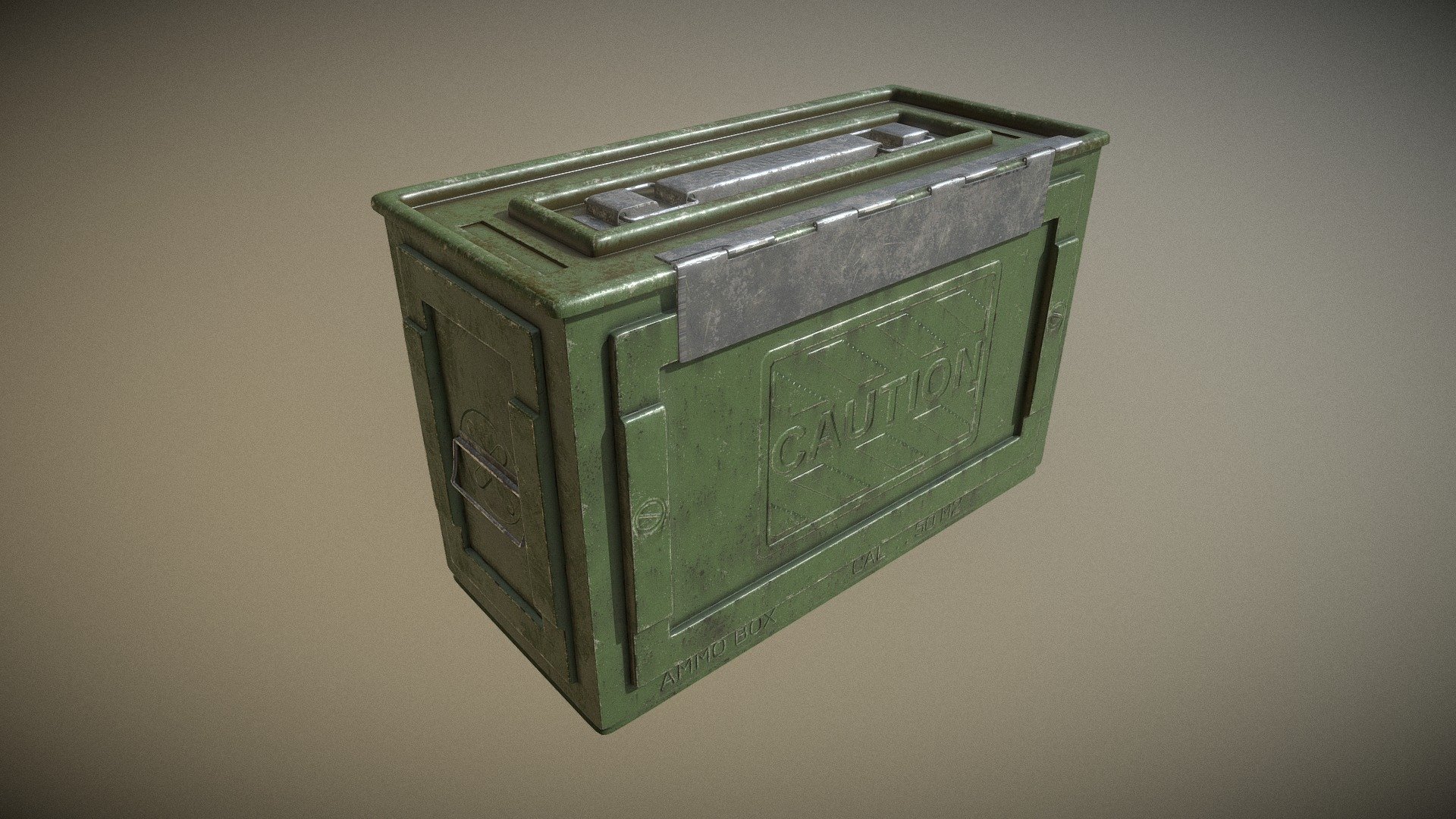
For bulk ammunition, the right container is your first shield. Surplus ammo cans with rubber gaskets create a near-hermetic seal, but they trap humid air—so toss in a few silica gel desiccant packs, especially before sealing for months. Check them every season; recharge or swap them when they change color. Don’t just stack and forget—rotate your stock by shooting the oldest first and adding fresh rounds to the back. This keeps pressure off old primers and lets you spot any early corrosion before it spreads. A light coat of oil on the cartridges’ exterior also helps, 5.7x28mm Ammo for Sale but skip it if your climate is dry.
Airtight cans, active desiccants, and first-in-first-out rotation keep rust at bay.
How Temperature and Humidity Affect Primer and Powder Stability
Temperature accelerates chemical decomposition in both primers and propellants. For every 10°C increase above 70°F, powder degradation rates roughly double, producing acidic byproducts that attack nitrocellulose and reduce burn consistency. Humidity poses an equal threat: moisture causes hygroscopic potassium nitrate in primers to crystallize, while damp powder fosters bacterial growth that alters grain structure. Stable primer stability requires airtight containers with desiccant packs, as relative humidity above 50% invites corrosion of the primer cup and anvil. Condensation from rapid temperature swings—common in uninsulated garages—is particularly destructive, so store bulk ammo in climate-controlled spaces or sealed ammo cans with temperature logging. Freeze-thaw cycles do not directly damage powder, but they promote moisture migration that creates localized hot spots during ignition. Always allow sealed containers to reach ambient temperature before opening to prevent moisture absorption.
Best Practices for Breaking Down a Large Order into Daily-Use Stashes
When your bulk ammo order arrives, resist the urge to leave it in one giant stack. Instead, break down your bulk purchase into daily-use stashes by caliber and purpose, using airtight, desiccant-lined containers. Rotate these smaller stashes into your main storage only as needed, ensuring you always pull from the oldest inventory first. Label each stash with purchase date and lot number to simplify tracking. Keep a separate, smaller grab-and-go stash for range days, so you avoid repeatedly opening your long-term reserve. This practice minimizes moisture exposure and preserves the integrity of your primary supply, making every round ready when you need it.
Practical Tips for Your First Large-Ammo Purchase
For your first **large-ammo purchase**, start by matching the exact grain weight and bullet type to what your firearm cycles reliably, then buy a single box to test before committing to bulk ammunition. Store your bulk order in sealed, moisture-proof ammo cans with silica gel packets, rotating your stock so older rounds are used first. Calculate your realistic monthly range time, then purchase no more than a six-month supply to avoid overpaying for storage space. Always split a massive shipment into multiple orders, confirming the lot number stays consistent, so a single defective batch doesn’t ruin your entire reserve.
What to Check Before You Pay: Seal Integrity, Bullet Pull, and Visual Flaws
Before handing over cash for bulk ammo, inspect seal integrity and bullet pull on random boxes from different layers of the crate. The factory crimp or sealant should be unbroken—no cracks, gaps, or powder residue around the primer pocket or case mouth. Try twisting a few bullets by hand; any rotation or loose feel means setback risk under recoil. Visually scan for dents, rust spots, tarnished brass, or deformed tips, which can cause feed failures. A crooked bullet seated off-center is a red flag. If one box looks sloppy, assume the lot is inconsistent.
- Check primer sealant is intact—no green or red flaking.
- Press a bullet against a hard surface; it must not push deeper.
- Reject rounds with scratched cases, split necks, or corroded bases.
- Spot-check the bottom layer of each case—damage hides there.

How to Calculate Your Monthly Round Count to Avoid Overbuying
Figuring out your monthly round count is your best defense against overbuying bulk ammo. Start by tracking your last three range trips—count every box, magazine, or handful of shells you actually fired, then divide that total by three for a realistic average. Next, 5.56 Ammo for Sale add a 20% cushion for surprise drills, malfunctions, or a buddy who runs out mid-session, which gives you your true **personal monthly round count**. Multiply that by six to twelve months, not a lifetime, and resist the “deal” trap. If you only shoot 200 rounds a month, buying 5,000 is wasted cash and storage space. Adjust the number quarterly as your habits change, keeping your stock lean and your budget happy.
Return Policies and What to Do If a Batch Fails to Cycle or Misfires
Before ordering bulk ammunition, confirm the vendor’s return policy explicitly covers ammunition defects like misfires or failure to cycle, as many sellers refuse returns on opened boxes for safety reasons. If a batch fails, stop shooting immediately and document the lot number, packaging photos, and the approximate round count that malfunctioned. Contact customer service within the stated window—typically 30 days—and request a replacement or credit, not a cash refund, since most distributors only offer store credit for ammo. Keep a few unfired rounds from the bad batch for potential inspection, as some companies require physical samples before approving a claim. Ship returns only with prior authorization and in original packaging, and expect to pay return shipping unless the defect is proven.
Always verify the return policy before purchase, then document and report misfires promptly to secure a replacement or store credit, preserving unfired samples for inspection.