Your Guide to Pre-Made Cocktails That Taste Like a Bartender Made Them
Pre-made cocktails account for a surprising share of drinks poured at modern gatherings, yet many still assume they sacrifice quality for convenience. These bottled or canned beverages arrive fully mixed, requiring nothing more than a chilled glass or a pour over ice to deliver a balanced drink. Their core benefit lies in consistency, as each serving mirrors the last, eliminating guesswork in proportioning spirits, modifiers, and bitters. The simplest way to use them is to chill thoroughly before opening, then serve straight or with a single garnish to match the intended flavor profile.
Why Ready-to-Pour Drinks Are Worth Trying Tonight
Tonight, skip the measuring and muddling—ready-to-pour pre-made cocktails let you channel a skilled bartender without the prep work. These bottles are balanced by professionals, meaning your Negroni or Margarita hits the exact sweet-sour-spirit ratio every time, regardless of your shaking stamina. They excel in social moments: simply chill, pour over fresh ice, and garnish with a citrus twist or herb sprig to lift the flavors, making you look effortlessly polished. That said, always check the bottle’s chilling instructions, since a few formulas reward a brief dilution with a splash of sparkling water rather than straight pouring. With a quality pre-made cocktail, you’re buying back minutes of your evening and guaranteeing a consistent, delicious pour from the first glass to the last—making tonight feel like a special occasion with zero bar-slave labor. Try one from a small-batch craft label, not the sugary grocery-store staples, and you’ll wonder why you ever mixed from scratch on a weeknight.
The Real Time-Saving Benefit of Grabbing a Bottle Instead of Mixing
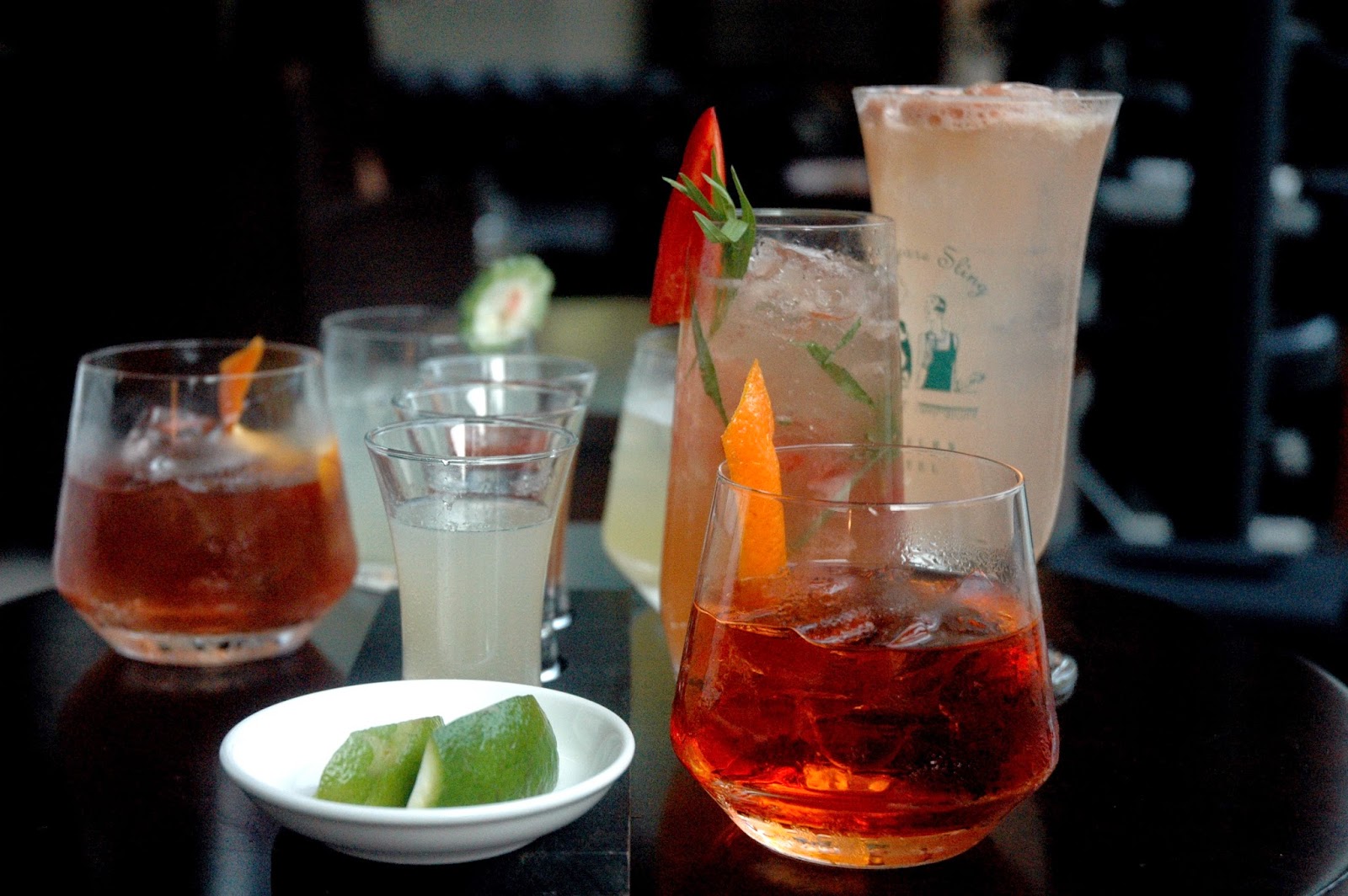
The real time-saving benefit of grabbing a bottle instead of mixing is that it collapses a ten-minute ritual into a ten-second pour. You skip measuring, shaking, and straining—those steps vanish entirely. That saved stretch isn’t just minutes; it’s the difference between “maybe one” and “let’s open another.” A bottled cocktail also eliminates post-drink cleanup, so you’re not scrubbing a shaker or hunting for a jigger when you’d rather relax. This is where **ready-to-pour convenience becomes a lifestyle upgrade**—the bottle works for you, not the other way around. How much time do you actually long island iced tea reclaim per drink? Roughly five to seven minutes of active prep and washing, which adds up to half an hour saved across a casual evening with friends.
How Flavor Consistency Compares to Your Home-Bartending Attempts
When you mix a cocktail at home, your palate’s memory of the last pour often clashes with today’s batch—lime juice varies in acidity, syrup thickness shifts with temperature, and your shaking time drifts. Ready-to-pour drinks eliminate this variance because each bottle undergoes controlled batching, ensuring consistent flavor in ready-to-pour drinks that mirrors the brand’s exact spec. Your attempt at a Negroni might swing from bitter to sweet across three tries, while a pre-made version holds the same vermouth-to-gin ratio every time. Even your best technique cannot replicate the industrial precision of measured dilution and filtration. The practical win is that you stop chasing a “good enough” approximation and start predicting the taste before the first sip. For a clear comparison: 1) Your home batch requires recalibrating ingredients each session; 2) You rely on memory for balance; 3) A premade bottle delivers identical aroma, sweetness, and bitterness unit after unit.
What’s Actually Inside That Sealed Bottle of Cocktails

Inside that sealed bottle of pre-made cocktails, you’re getting a **balanced formula** built for stability, not just a quick pour. The core is always the base spirit, but the real secret is **flavor preservation** through additives like citric acid and ascorbic acid, which stop juices from oxidizing and turning brown. You’ll also find gums or xanthan to keep texture silky and prevent separation, plus simple syrup adjusted for a specific dilution that mimics the exact shake or stir time. Most brands use concentrated fruit essences instead of fresh juice to guarantee shelf life, meaning the taste is bright but lacks the delicate, volatile aromatics of freshly squeezed citrus. The result is a consistent, high-proof drink that’s designed to survive months on a shelf without losing its intended character.
Understanding ABV, Shelf Life, and Whether They Need Refrigeration
Understanding ABV is the first step in gauging a pre-made cocktail’s stability, as higher alcohol content acts as a natural preservative. Bottles at or above 20% ABV are generally shelf-stable and do not need refrigeration before opening, whereas lower-ABV mixes with juice or dairy are perishable and must stay chilled. Shelf life depends on this balance: high-ABV cocktails can last months unopened but degrade after opening due to oxidation, while low-ABV versions typically last only days. Once opened, even high-proof products benefit from refrigeration to slow flavor loss. Always check the label for explicit storage instructions, and trust your senses—off odors or cloudiness signal spoilage. Practical shelf life for cocktails is ultimately a product of their alcohol-to-perishable ratio.
ABV dictates refrigeration needs: high-proof lasts longer unopened, but all opened cocktails should be chilled; label checks and sensory cues define true shelf life.
Carbonated vs. Still: Which Ready-Made Format Suits Your Glass
Choosing between carbonated vs. still ready-made cocktails hinges on how you plan to serve them. Fizz-forward formats—like a canned gin and tonic or spritz—deliver built-in effervescence that survives chilling, making them ideal for poolside or picnic sipping straight from the vessel. Still formats, such as an old fashioned or negroni, rely on spirit-forward depth and silky mouthfeel, which shine over a single large ice cube or when stirred, not shaken. Carbonation masks slight bitterness and thin textures; still versions expose every flaw, so they demand higher-quality base spirits. If you prefer slow sipping with dilution control, choose still. For immediate, no-assembly refreshment, carbonation wins. Which format suits your glass? Ultimately, match the bubbles to the occasion and the stillness to the cocktail’s character.
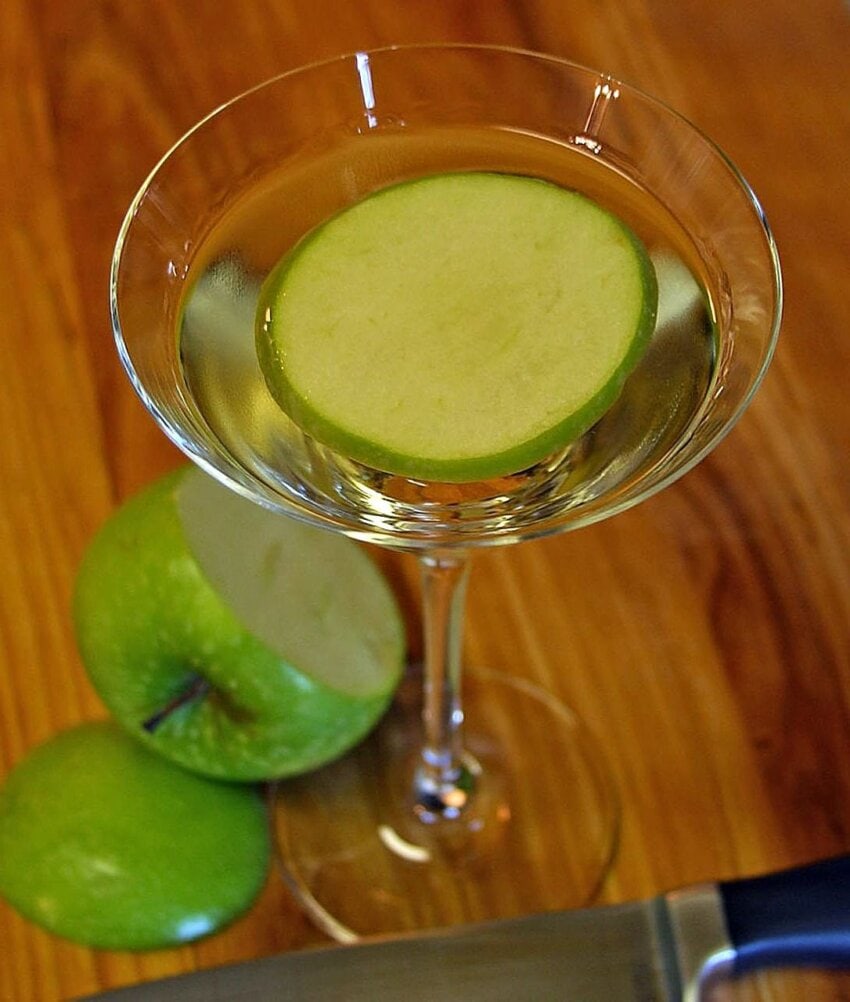
Q: Which ready-made format suits your glass for a dinner party?
A: Still cocktails, because they pair with food without competing for palate attention, and you can pour them over a large ice sphere without losing structure.
How to Choose Between a Single-Serve Can and a Large-Format Bottle
Choosing between a single-serve can and a large-format bottle for pre-made cocktails hinges on your serving context and timing. A can offers immediate portion control, ideal for solo drinking, outdoor events, or avoiding oxidation after opening, as you consume the entire cocktail at once. Conversely, a large-format bottle suits gatherings where you will pour multiple servings within a couple of hours, but remember that carbonated pre-made cocktails lose fizz quickly once opened. Consider your fridge space: a bottle requires storage room, while cans chill faster. For mixed drinks with fresh citrus or delicate botanicals, a bottle is often better if you plan to add ice and garnishes per glass, preserving the base recipe’s integrity. Ultimately, single-serve can vs large-format bottle decisions should prioritize convenience for immediate solo consumption versus shared, leisurely pouring. Quantity per event and carbonation retention are your primary factors.
Portion Control and Serving Sizes for Parties or Solo Sipping
For a party, a large-format bottle offers effortless portion control per glass, letting you pour a consistent 4-ounce serving and stretch a 750ml bottle into roughly six drinks, whereas single-serve cans lock in a precise 12-ounce measure that prevents over-pouring. Solo sipping favors the can because it caps your intake at one standardized serving, eliminating the temptation to refill a bottle; a large format, by contrast, demands self-discipline to stop at one glass. Those mindful of alcohol intake should note that a single can often contains more than one standard drink, so checking the label’s volume and ABV matters more than the container size. For gatherings, pre-pouring bottles into small cups ensures guests drink evenly, while cans work better for mixed preferences—each person controls their own serving size without communal bottle-sharing. Match the format to your drinking rhythm: bottle for shared moderation, can for personal accountability.
Matching the Drink’s Base Spirit to Your Personal Taste Preferences
When choosing between a can and a bottle, first identify which base spirit profile you actually crave, because the format should reinforce that preference. A vodka or gin-based cocktail—clean, botanical, or citrus-forward—tastes nearly identical from a single-serve can, so prioritize portability and immediate chill. Whiskey or rum-based drinks, with heavier oak, caramel, or spice notes, benefit from a large-format bottle that allows you to pour over a large ice cube and let the spirit open up over 20–30 minutes. If you prefer a tequila or mezcal base with earthy or peppery character, a bottle lets you control dilution with fresh citrus, while a can locks in a fixed, often sweeter balance. Match format to how you want the spirit’s intensity to evolve.
Smart Ways to Upgrade a Store-Bought Cocktail at Home
Elevating a pre-made cocktail starts with ditching the chilled glassware you’d normally grab; instead, pour your bottled margarita or old fashioned over one massive, clean ice cube. This melts slowly, preventing dilution while adding a crisp, bar-like mouthfeel. Next, balance sweetness with a sharp counterpoint—a few drops of saline solution or a spritz of fresh citrus oil expressed over the top instantly brightens flat flavors. For aromatic cocktails, swap the plastic garnish for a hand-cut orange twist or a lightly smoked rosemary sprig. Finally, finish with a fat-washed bitter or a dash of absinthe misted directly onto the surface. These tweaks transform a generic bottle into a bespoke sipper, proving that upgrading store-bought cocktails is about technique, not cost, and requires zero professional equipment to taste handmade.
Simple Garnishes and Citrus Twists That Elevate the Pour
A pre-made cocktail’s flavor profile often benefits from a bright, aromatic finish. A simple garnish like a fresh citrus twist elevates the pour by releasing essential oils directly onto the surface, instantly masking any flat or overly sweet notes. Instead of a bare rim, add a dehydrated orange wheel for visual depth, or a swath of grapefruit peel for a bitter contrast. A sprig of rosemary or a single star anise can also add complexity without requiring fresh juice. These small additions require minimal effort but fundamentally change the drinking experience, transforming a bottled product into a balanced, custom serve.
When to Add Ice, Club Soda, or a Fresh Ingredient for Balance
Adding ice is your first move for any canned cocktail meant to be served cold—it chills without diluting too fast if you use large cubes. Reach for club soda when the drink feels syrupy, sweet, or overly boozy; a splash lifts the carbonation and lengthens it into something more sip-friendly. A fresh ingredient—a citrus twist, a mint sprig, or a jalapeño slice—works best right before serving to cut through cloying notes. Timing matters: stir in soda just before drinking to preserve fizz, but let the garnish sit a minute to release its oils. Balance hinges on tasting first—then adjust with only one element to avoid overcorrecting.
- Add ice last, right before serving, to keep it from melting too early.
- Use soda only if the base tastes overly sweet or heavy.
- Choose fresh citrus or herbs to brighten flat or dull flavors.
- Never add all three at once—pick one fix per sip.
Serving Chilled Cocktails Right: Temperature and Glassware Tips
For pre-made cocktails, temperature is everything; you’re not shaking to chill, so the bottle must be **serving chilled cocktails at the right temperature** from the start. Keep them in the fridge for at least four hours, or use a rapid chiller for a last-minute fix. When pouring, never skip the glassware tip: freeze your coupes or rocks glasses beforehand. A room-temperature glass will instantly warm your careful work, ruining the texture and diluting the flavor. Also, always pour over a single large ice cube or sphere—it melts slower than small cubes, keeping your pre-made drink cold without watering it down too fast. Finally, fill the glass only to the rim’s edge, not over, so the first sip is frosty, not sloppy.
How Long to Chill Before Opening for the Crispest Sip
For the crispest sip, pre-made cocktails should chill for at least **four to six hours** in the refrigerator, but the true sweet spot is overnight—twelve hours—allowing flavors to fully marry and the liquid to reach a consistent 38–40°F. Never shortcut with a quick 30-minute fridge stint; that leaves warmer pockets that dilute your first pour once ice hits. If you’re truly pressed, submerge sealed bottles in an ice-water bath for exactly 20 minutes, spinning them halfway for even cooling. However, the best chill time for pre-made cocktail crispness remains overnight, as it eliminates thermal shock and ensures every drop is glacier-cold before the seal breaks.
Chill pre-made cocktails for at least 4–6 hours, ideally overnight, to lock in peak crispness before opening.
Choosing the Right Glass for Aromatic and Visual Appeal
The glass you select for a pre-made cocktail is a critical vessel for preserving its aromatic profile and enhancing visual allure. A tulip-shaped glass or a coupe concentrates delicate esters and botanical notes toward the nose, ensuring the first impression is as intended. Meanwhile, a crystal-clear, stemmed glass not only showcases the beverage’s clarity and suspended garnish but also prevents hand warmth from compromising its chilled state. For a pre-mixed drink, avoid wide-rimmed rocks glasses that disperse essential aromas and dilute the aesthetic; instead, prioritize a shape that funnels scent and frames the liquid’s color, elevating the entire sensory experience.
Common Mistakes to Avoid When Buying Ready-to-Serve Drinks
Buying pre-made cocktails often goes wrong when you ignore the base spirit—check that the label names the exact liquor, not just vague “flavored malt beverage.” Another trap is assuming a higher price guarantees quality; instead, scan for added sugars and artificial citrus, which mask cheap alcohol. You’ll also regret skipping the serving size—many cans look single-serve but pack two or three drinks, throwing off your evening. Always verify the ABV before you buy, as a low percentage can leave you with a syrupy, weak mixer. Never judge a bottle by its sleek packaging; turn it over and inspect the ingredient list for real juice versus concentrate. Your palate will notice the difference between a shaken-to-order cocktail and one that sat in a warehouse for months. Finally, avoid buying in bulk without tasting one first, since a trendy flavor might clash with your go-to garnish or glassware.
Overlooking Expiry Dates and Storage Instructions on the Label
Ignoring the printed expiry date on a pre-made cocktail is a direct gamble with both flavor and safety; once that date passes, the delicate balance of botanicals and juices degrades rapidly, often turning bitter or flat. More critical, however, is dismissing **storage instructions on the label**, as many canned or bottled cocktails demand refrigeration after opening or even before, regardless of their shelf-stable appearance. A cocktail left in a warm pantry when it requires chilling can ferment or develop off-notes within hours. *Even a sealed bottle can suffer if stored upright when the label insists on sideways chilling to keep the cork or cap seal moist.* Always check whether the drink needs to stay cold to preserve its carbonation, citrus, or cream-based ingredients—this habit separates a crisp, intended sip from a disappointing, spoiled one.
Assuming All Bottles Taste Identical Once Opened—Freshness Checks
Assuming every opened bottle of pre-made cocktail retains its original flavor is a costly error, as oxidation and ingredient separation begin immediately upon opening. A freshness check must happen before each pour, not just at first use. First, sniff the neck for sour or flat aromas, which indicate citrus or vermouth degradation. Second, pour a small amount into a glass and observe clarity—cloudiness signals spoilage, while sediment means stabilizers have broken down. Finally, taste a tiny sip against your memory of the first pour; if sweetness or bitterness dominates unevenly, the balance is gone. Carbonated varieties demand a separate check: hiss and bubble persistence. Never trust the bottle’s original seal date once opened—track days, not weeks.